How to Curb Cravings Naturally
How Do You Curb Cravings Naturally?
To curb cravings naturally, stack four habits that quiet hunger signals instead of relying on willpower: eat 25–30g of protein at breakfast, add soluble fiber and water for lasting fullness, protect seven to nine hours of sleep so ghrelin stays low, and keep blood sugar steady. A fiber-based appetite aid can reinforce them.
- Front-load protein and fiber — fullness that lasts beats late-day willpower.
- Fix your sleep — one bad night raises the hunger hormone ghrelin the next day.
- A supplement supports habits — it reinforces the fundamentals, it does not replace them.

If you want to curb cravings naturally, the first thing to accept is that a craving is not a character flaw. It is a biological signal, and you can change the signal far more reliably than you can out-muscle it. Most people try to white-knuckle their way past the mid-afternoon cookie or the after-dinner reach for something sweet, lose that battle a few times a week, and conclude they simply lack discipline. The truth is kinder and more useful: the people who never seem to fight cravings have quietly arranged their day so the cravings barely fire in the first place.
This guide walks through the four levers that do the heavy lifting — protein, fiber, water and sleep — and shows how each one turns down the volume on hunger hormones and blood-sugar swings. It also looks honestly at where a stimulant-free appetite-support supplement like SlimTide fits into the picture, because the right frame is reinforcement, not rescue. No disease claims, no promises of magic, just the mechanisms that actually work and a simple way to put them together.
Why cravings feel impossible to fight
A craving is a message written in hormones. When your stomach empties and blood sugar dips, a hormone called ghrelin rises and tells your brain to find food, preferably fast, dense, sugary food that will fix the dip in a hurry. At the same time leptin, the hormone that signals fullness, falls. Layer on stress and the reward chemistry of dopamine, and you get an urge that feels less like a preference and more like an alarm. Willpower is the wrong tool for silencing an alarm, which is why relying on it fails so predictably.
The good news hiding inside that biology is that every one of those signals is adjustable. You cannot decide to feel less hungry, but you can eat and sleep in ways that keep ghrelin lower, blood sugar steadier and fullness signals switched on for longer. Do that consistently and the craving either never arrives or arrives so quietly that a glass of water and a five-minute pause is enough to let it pass. That is what it actually means to curb cravings naturally: you are not resisting the urge harder, you are engineering fewer and weaker urges.
The four levers that curb cravings naturally
Almost everything that works comes back to four inputs. None of them is exotic, none requires a prescription, and they stack — the more of them you get right, the less any single craving can push you around.
1. Protein at breakfast: the single highest-leverage move
If you change one thing, change your first meal. Protein is the most satiating of the three macronutrients by a wide margin, and eating 25 to 30 grams of it at breakfast has a measurable effect on how hungry you feel for the rest of the day. Studies on high-protein mornings consistently show reduced evening snacking and fewer late-night food thoughts — the two times cravings do the most damage. A breakfast of eggs, Greek yogurt, cottage cheese or a protein shake sets a hormonal tone that a bowl of cereal or a pastry simply cannot match.
The mechanism is straightforward. Protein blunts ghrelin, boosts satiety hormones like peptide YY, and takes longer to digest, so the fullness carries forward for hours. Most people badly under-eat protein early and then over-eat everything late, which is exactly the pattern that manufactures 4pm and 9pm cravings. Flip it. Aim to have most of a palm-to-two-palms serving of protein on your plate before you leave the house, and watch how much quieter the rest of the day becomes.
2. Soluble fiber and water: fullness that lasts
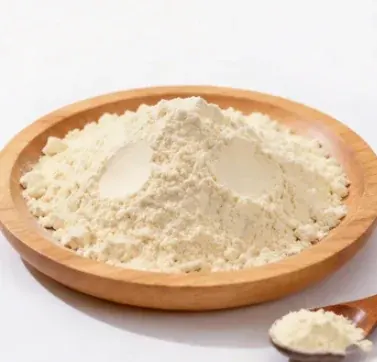
Fiber is the unglamorous hero of appetite control. Soluble fiber — the kind in oats, beans, apples, chia and chicory root — absorbs water in the gut and forms a gel that slows how quickly your stomach empties. Slower emptying means fullness that lasts longer and blood sugar that rises gently instead of spiking. Pair that fiber with actual water and the effect compounds: the gel needs water to form, and the added volume physically stretches the stomach wall, which is one of the body's oldest and most direct fullness signals.
This is also where hydration earns its own line. Thirst is routinely misread by the brain as hunger, so a good share of what feels like a craving is really mild dehydration wearing a disguise. Drinking a glass of water before meals reliably reduces how much people eat, and keeping a bottle within reach all day removes a steady drip of false hunger cues. Fiber and water together are the closest thing to a free lunch in appetite management — the science of exactly which fibers dull hunger the most is something we unpack in our guide to a natural appetite suppressant that actually reduces hunger.
3. Sleep: the lever almost everyone ignores
You can do everything right at the table and still get ambushed by cravings if you are short on sleep. A single night of poor rest raises ghrelin and lowers leptin the next day, which is a hormonal recipe for wanting more food, especially sugary and starchy food. Sleep deprivation also dents the prefrontal cortex — the part of the brain that helps you pause before acting — so you are hungrier and less able to resist at the same time. That is why the day after a bad night so often turns into a grazing marathon.
Protecting seven to nine hours is not a wellness platitude here; it is one of the most powerful appetite interventions available, and it costs nothing. If cravings spike in the late afternoon and evening, look at your sleep before you blame your willpower. Regular bed and wake times, a dark cool room, and cutting screens and caffeine late all pull ghrelin back into line. Fix the sleep and a large slice of your cravings quietly disappears on their own.
4. Steady blood sugar: end the spike-and-crash cycle
The classic craving loop is a blood-sugar rollercoaster. A refined-carb snack — a pastry, a soda, a handful of candy — sends glucose up fast, insulin rushes in to bring it down, and the resulting dip leaves you hungrier than before, reaching for the next quick fix within the hour. Every loop trains the next craving. The way out is to stop riding the rollercoaster: pair carbohydrates with protein, fat or fiber so glucose rises and falls in gentle waves instead of sharp peaks and troughs.
Practically, that means an apple with a spoon of nut butter instead of the apple alone, whole grains instead of white, and never drinking your sugar. Steady blood sugar keeps energy even and takes the frantic edge off hunger, so when you do get hungry it feels like a normal cue you can plan around rather than an emergency. This is the lever that a fiber-and-metabolic-support supplement is best placed to reinforce, which brings us to where a product like SlimTide honestly fits.
Where an appetite-support supplement fits
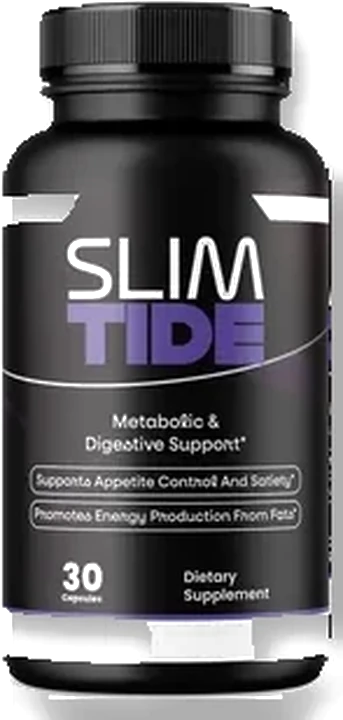
Here is the honest version, because you deserve it: no capsule curbs cravings for you if the four levers above are missing. A supplement is not a substitute for protein, fiber, water and sleep. What a well-made one can do is reinforce the same mechanisms you are already building. SlimTide is a stimulant-free, plant-based formula built around soluble fiber and metabolic-support ingredients, and its whole job is to add fullness and help steady the blood-sugar swings that drive the reach for something sweet — the exact levers that are hardest to hit perfectly through diet alone every single day.
Think of it as a floor under your worst days. The morning you skip a proper breakfast, the afternoon your lunch was too light, the week your schedule fell apart — those are the moments cravings win, and a dosed, convenient hit of soluble fiber taken with water gives your appetite a consistent baseline of support so a single bad meal does not snowball. It works by making a sensible diet easier to stick to, which is where nearly everyone actually fails. If you want the deeper mechanism, our explainer on how appetite suppressants work in the body lays out the fiber, satiety-hormone and blood-sugar pathways in detail. SlimTide is a food supplement, not a drug; it is not intended to diagnose, treat, cure or prevent any disease, and it earns its place only as reinforcement for habits you are already doing.
Give Your Cravings a Consistent Baseline
If you have the habits half-built and want a stimulant-free way to reinforce the fullness and steady-blood-sugar levers on your busiest days, the smartest move is to start from the manufacturer's own store, where the multi-bottle packs and the 60-day money-back terms actually apply. That way a fair trial of the appetite support costs you nothing but the effort of running it.
Three myths that keep you snacking
"I just need more willpower." This is the most damaging myth of all, because it turns a solvable engineering problem into a moral failing. Willpower is a finite resource that drains as the day goes on, which is precisely why cravings win at night when your reserves are lowest. The people who seem to have iron discipline are usually just the people whose protein, fiber, sleep and blood sugar are arranged so their willpower is barely taxed. Stop trying to want it less through sheer effort and start changing the signals. That is not a shortcut; it is how it is actually done.
"Cutting a food group will kill my cravings." Extreme restriction tends to backfire. Slash carbs or fat to zero and you often ignite the very cravings you were trying to escape, because deprivation and monotony crank up food preoccupation. The durable approach is not elimination but architecture: include satisfying protein, fiber and enough food that you are not running on empty, so cravings have no vacuum to rush into. Curbing cravings naturally is about building meals that satisfy, not about drawing up a longer list of forbidden foods.
"A supplement will fix cravings on its own." No honest product promises this, and you should distrust any that does. A fiber-based appetite aid supports fullness and steadier blood sugar, but taken alongside no other change it cannot outrun a diet built on skipped breakfasts and four hours of sleep. The realistic expectation — and the one the real-world feedback supports — is that it helps meaningfully when it sits on top of the fundamentals. If you want to see how that plays out for actual users over a full trial, our honest look at whether the SlimTide reviews show it really works weighs the pattern fairly.
A simple 7-day plan to curb cravings naturally
You do not need to overhaul your life to feel the difference. Stack the levers in order of impact and give it a week:
- Days 1–2: Hit 25–30g of protein at breakfast, every day, no exceptions. This alone changes the afternoon.
- Days 3–4: Add a soluble-fiber source to two meals — oats, beans, chia or an apple — and keep a water bottle within arm's reach all day, drinking a glass before each meal.
- Days 5–6: Set a fixed bedtime that protects seven to nine hours, and cut screens and caffeine in the final hours before it.
- Day 7: Audit your snacks. Pair any carbohydrate with protein or fat, and stop drinking your sugar. If you use an appetite-support supplement, take it consistently with water so it has a fair chance to reinforce the rest.
By the end of the week most people notice the same thing: the cravings did not so much get easier to resist as get quieter to begin with. That is the whole game. When you curb cravings naturally, you are not winning a daily fight — you are arranging things so the fight rarely starts.
The honest bottom line
Cravings feel like a test of character, but they are really a set of adjustable signals. Front-load protein, lean on soluble fiber and water, protect your sleep, and stop riding the blood-sugar rollercoaster, and you turn the volume down at the source. Do those four things consistently and you will need far less willpower, because there will be far less to resist. That is the durable, natural, no-nonsense way to quiet the urge to snack.
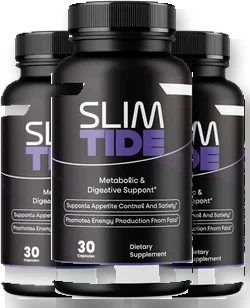
A stimulant-free appetite aid like SlimTide fits into that picture as reinforcement — a consistent baseline of fullness and steadier blood sugar for the days your habits slip — never as a replacement for the fundamentals. Approach it that way, give the habits a couple of weeks to compound, and you will have done something more valuable than surviving one more craving: you will have built a day where the cravings barely show up at all.
Common questions
How can I stop cravings naturally?
Stack the habits that quiet hunger signals rather than fighting willpower alone. Front-load your day with 25 to 30 grams of protein at breakfast, add soluble fiber and water to slow digestion and stretch fullness, protect seven to nine hours of sleep so the hunger hormone ghrelin stays in check, and keep blood sugar steady by pairing carbohydrates with protein and fat. Together these blunt the urge to snack far more effectively than any single trick, and they compound over days rather than requiring heroic self-control at the moment a craving hits.
What foods reduce hunger and cravings?
High-protein and high-fiber whole foods are the most reliable appetite tools. Eggs, Greek yogurt, cottage cheese, chicken, fish, lentils and beans deliver protein that keeps you full for hours, while oats, chia, beans, apples, vegetables and other soluble-fiber foods absorb water and slow gastric emptying so fullness lasts longer. Water-rich foods such as broth-based soups and leafy salads add volume for very few calories. Ultra-processed snacks do the opposite: they digest quickly, spike and crash blood sugar, and leave you hungry again within the hour.
Does drinking water reduce appetite?
Yes, in two ways. Thirst is often misread by the brain as hunger, so a glass of water can settle an urge that was never really about food. Water also adds physical volume to the stomach, which stretches the stomach wall and triggers fullness signals; drinking a glass before a meal reliably reduces how much people eat. Water is not a magic appetite suppressant on its own, but staying well hydrated removes a common false hunger cue and amplifies the fullness you get from fiber-rich meals.
Can supplements help with sugar cravings?
A supplement can support the process but never replace the habits. Soluble-fiber and metabolic-support formulas like SlimTide work by adding fullness and helping steady the blood-sugar swings that drive the reach for something sweet. That makes a sensible diet easier to stick to, which is where most people fail. It is not a drug, it does not diagnose, treat or cure anything, and it will do little on its own if protein, fiber, water and sleep are missing. Treat it as reinforcement for good habits, not a substitute for them.
Related reading
References and further reading
- National Institutes of Health — research on appetite, ghrelin and body-weight regulation
- Harvard T.H. Chan School of Public Health — dietary fibre, fullness and blood sugar
- Mayo Clinic — hydration, thirst and how much water you need
- NIH Office of Dietary Supplements — fact sheets on fibre and supplement ingredients
General information, not medical advice. These statements have not been evaluated by the Food and Drug Administration, and no dietary supplement is intended to diagnose, treat, cure or prevent any disease. Speak to a qualified healthcare professional before starting any supplement.
Affiliate link. Slimtiade Label Notes earns a commission on purchases made through it, at no extra cost to you. We are not the manufacturer.