Natural Appetite Suppressant That Works
Quick Answer: Does a Natural Appetite Suppressant Actually Work?
Yes — a natural appetite suppressant that works does so by making you feel full sooner and for longer, not by numbing hunger with stimulants. The best-supported ingredients are viscous soluble fibre such as glucomannan and adequate protein, which slow digestion and raise satiety signals. Taken with water before meals, they curb cravings without the jitters of caffeine burners.
- Soluble fibre forms a gel that slows gastric emptying and prolongs fullness.
- Protein raises satiety hormones and keeps you fuller per calorie.
- Take it 30–40 minutes before meals with a full glass of water.

If you have ever white-knuckled your way through a diet, you already know the real enemy is not knowledge — it is hunger. Which is why "natural appetite suppressant" draws around 27,000 searches a month, and "appetite suppressant" nearly 74,000: enormous numbers of people are looking for something that quiets cravings without the racing heart of a stimulant burner. The good news is that a natural appetite suppressant that works is not wishful thinking. The mechanisms are boringly well established, the ingredients are food-derived, and you can put them to use today.
The catch is that most of the market is noise. For every ingredient with genuine evidence behind it, a dozen "miracle" botanicals ride on a single flattering study and a lot of marketing. This article separates the two. It explains which natural appetite suppressants actually have support, exactly how they reduce hunger, and how SlimTide combines them into a stimulant-free daily formula — along with the timing and expectations that decide whether any of it works for you.
How a natural appetite suppressant reduces hunger
Appetite is not a single switch. It is a conversation between your gut and your brain, carried by stretch receptors in the stomach and a family of hormones released as food moves through you. A natural appetite suppressant that works does not silence that conversation with a chemical override; it changes the inputs so the "I am full" side of the dialogue speaks up sooner and stays audible longer. That is a fundamentally different, and gentler, approach than stimulant suppression, and it is why the effect feels like ordinary satisfaction rather than an artificial buzz.
Two levers do most of the work. The first is physical: slowing how fast the stomach empties, so a given meal keeps the stomach distended and the fullness signal active for longer. The second is hormonal: prompting the release of the satiety hormones that tell the brain to stand down. The most reliable natural ingredients pull one or both of these levers, and the ones with the thinnest evidence tend to promise a third, magical lever that does not really exist.
Soluble fibre: the natural appetite suppressant with the strongest case
If there is a single hero ingredient in this category, it is viscous soluble fibre. When fibres such as glucomannan (from konjac root), oat beta-glucan or psyllium meet water, they swell into a thick gel. That gel physically slows gastric emptying, so food leaves the stomach more gradually and the sensation of fullness is stretched across hours rather than minutes. Glucomannan in particular is one of the most studied appetite ingredients, valued precisely because its viscosity is so high that a modest dose has an outsized effect on fullness. It is entirely natural, entirely stimulant-free, and it works through simple physics.
There is a bonus effect worth knowing. Many soluble fibres are also fermented by gut bacteria into short-chain fatty acids, which are themselves linked to satiety signalling. So a viscous fibre can act on appetite twice: mechanically in the stomach and, more slowly, through the gut microbiome. This is the mechanism SlimTide leans on most heavily, which is why it is built around plant fibre rather than a stimulant. If you want the fuller physiology, our explainer on how appetite suppressants work in the gut and brain walks through the hormone signalling step by step.
Protein: the other half of natural appetite control
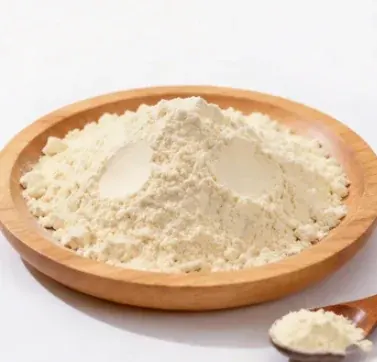
Fibre gets the headlines, but protein is the co-star of any natural appetite suppressant strategy that works. Gram for gram, protein is the most satiating macronutrient: it triggers a stronger release of the satiety hormones that curb hunger, and it keeps you fuller per calorie than either carbohydrate or fat. This is why a protein-forward breakfast so reliably kills mid-morning snacking, and why people who raise their protein intake often eat less overall without consciously trying. Protein also carries a metabolic side benefit — the body spends more energy digesting it — though its main gift to appetite is simply staying power.
The practical upshot is that fibre and protein are complementary, not competing. Fibre manages the meal-to-meal fullness in your stomach; protein manages the hormonal set-point of hunger across the day. A daily fibre-based supplement handles the first, and building your meals around a solid protein source handles the second. Used together, they attack cravings from both directions, which is far more effective than leaning on either one alone.
Put the Science to Work Without the Jitters
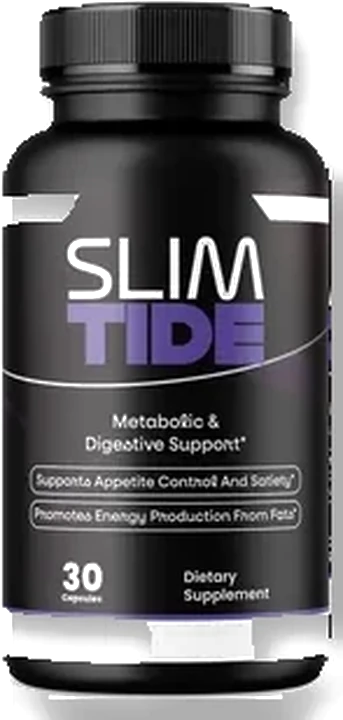
SlimTide packages viscous plant fibre into a convenient, stimulant-free daily capsule, so you get the appetite-support mechanism above without measuring powders or tolerating caffeine. Taken with water before your hardest meals, it is designed to make portions and cravings easier to manage — and the official store backs a real trial with multi-bottle packs and a 60-day money-back guarantee.
Glucomannan and how to use it properly
Because glucomannan comes up so often as the strongest natural appetite suppressant, it is worth knowing how to use it well, since the technique is what separates a real effect from a wasted dose. The rule that matters most is water. Glucomannan only suppresses appetite once it has absorbed liquid and expanded, so taking it with a full glass of water, about 30 to 40 minutes before a meal, gives the gel time to form in the stomach before food arrives. Taken dry, or swallowed at the same moment you start eating, it has far less time to do its job — and taking any bulking fibre without enough fluid is the one genuine safety point in this category, since it needs liquid to move safely.
Timing to your weak points multiplies the benefit. Most people have specific danger zones — the late-afternoon vending-machine reflex, the second helping at dinner, the after-dinner grazing that undoes an otherwise good day. Aiming a dose at the meal before your hardest window means the fullness effect peaks exactly when your willpower usually fails. For a deeper toolkit of timing tricks and food pairings, our guide to curbing cravings naturally lays out a full daily routine.

Why stimulant-free is a feature, not a compromise
Most fat burners suppress appetite with caffeine and other stimulants, and it is true that stimulants can dull hunger in the short term. But the trade-off is steep and it compounds over time. Stimulant suppression comes bundled with jitteriness, an elevated heart rate, afternoon energy crashes, and disrupted sleep — and poor sleep is itself one of the most reliable ways to increase hunger the next day, particularly for high-calorie foods. So a stimulant that suppresses appetite today can quietly raise it tomorrow. Tolerance builds too, so the suppression fades while the side effects linger.
A natural, fibre-based appetite suppressant sidesteps all of that. It can be taken at any time of day, including the evening, without wrecking your sleep. It does not clash with the coffee you already drink or any other stimulant you take. And it does not build the kind of tolerance that forces the dose upward. The absence of stimulants is not a weaker version of appetite suppression — it is a more sustainable one, and sustainability is the entire game when the goal is to eat less for months, not days.
Two myths worth clearing up
"Natural appetite suppressants don't really do anything." This confuses "gentle" with "inert." The satiety effect of viscous fibre and protein is one of the better-evidenced findings in nutrition, and it is exactly what makes an ordinary calorie deficit bearable. What natural suppressants will not do is override a genuine energy need or let you out-supplement a diet built on liquid calories and constant grazing. They reduce hunger; they do not abolish it, and honest ones never claim to.
"If some is good, more is better." Fibre is the classic case where escalating the dose backfires. Jump from zero to a large dose overnight and the reward is gas, bloating and discomfort, not extra appetite control. The body adapts to fibre gradually, so the right approach is to start at the low end and build up over a week or two, drinking plenty of water throughout. Comfort and consistency beat heroics, because the dose you actually keep taking is the only one that works. When you are weighing a fibre-first formula against the wider market, our roundup of the best weight loss pills of 2026 compared shows where the stimulant-free approach lands.
Setting fair expectations
A natural appetite suppressant that works is a tool for adherence, not a substitute for it. By making you less hungry, it helps you hold a modest calorie deficit without constant willpower — and that deficit, sustained, is what produces fat loss. But the pill does not create the deficit on its own, and it cannot outpace a diet that never changes. Pair it with slightly smaller portions, more protein and some daily movement, and give the combination four to six weeks before you judge it. The appetite effect itself you may notice within days; the change on the scale follows the arithmetic, slowly and unevenly, and is best tracked as a trend rather than a daily verdict.
Used that way — correct ingredients, correct timing, honest expectations, enough water — a natural appetite suppressant earns its place. It will not do the work for you. It will make the work possible, which for most people is exactly the help they were missing.
Common questions
What is the strongest natural appetite suppressant?
Among natural options, viscous soluble fibres such as glucomannan have some of the strongest and best-documented effects on fullness, because they absorb water to form a thick gel that slows stomach emptying and blunts hunger between meals. Protein is the other heavyweight, raising satiety hormones and keeping you fuller per calorie than carbohydrate or fat. There is no natural ingredient that overrides appetite entirely, and the strongest realistic approach combines a viscous fibre with adequate protein and plenty of water.
How do natural appetite suppressants reduce hunger?
They work mainly through fullness rather than by numbing appetite. Soluble fibre absorbs water and expands in the stomach, slowing gastric emptying so the fullness signal arrives sooner and lingers. Protein triggers the release of satiety hormones that tell the brain you have eaten enough. Both mechanisms are physical and hormonal rather than stimulant-driven, which is why they curb hunger without the racing heart or jitters of caffeine-based burners. The effect is real but gradual and depends on taking them with enough water and before meals.
Are natural appetite suppressants safe long term?
Fibre and protein based appetite support is generally well tolerated for long-term use in healthy adults, and higher fibre intake is associated with broad health benefits beyond appetite. The main caution is to start low and increase gradually, since a sudden jump in fibre can cause temporary gas or bloating, and to drink enough water so viscous fibres do not cause the opposite of the intended effect. It is not a medicine and does not diagnose, treat, cure or prevent disease; anyone on medication or managing a condition should check with a clinician first.
When should I take an appetite suppressant?
For a fibre-based natural appetite suppressant, the most effective timing is about 30 to 40 minutes before your main meals, taken with a full glass of water so the fibre has time to absorb liquid and expand before you eat. Taking it too close to a meal leaves less time for the gel to form, and taking it without enough water reduces the effect. Many people target the meals or times of day when their appetite and snacking are hardest to control.
Related reading
References and further reading
General information, not medical advice. These statements have not been evaluated by the Food and Drug Administration, and no dietary supplement is intended to diagnose, treat, cure or prevent any disease. Speak to a qualified healthcare professional before starting any supplement.
Affiliate link. Slimtiade Label Notes earns a commission on purchases made through it, at no extra cost to you. We are not the manufacturer.