How Appetite Suppressants Work: The Real Mechanisms Behind Hunger Control
Quick Answer: How Do Appetite Suppressants Work?
Natural appetite suppressants work by making you feel full sooner and stay full longer. Soluble fibre absorbs water and forms a gel that adds volume and slows stomach emptying, protein triggers satiety hormones such as GLP-1 and PYY, and steadier blood sugar removes the crash that drives cravings. They lower hunger signals; they do not switch hunger off.
- Fibre gel + stretch: physical fullness that lasts past the meal.
- Satiety hormones: protein cues GLP-1 and PYY to say "enough".
- Stable glucose: fewer sugar crashes means fewer snack urges.

Understanding how appetite suppressants work is the difference between using one intelligently and being disappointed by it. Most people picture a switch — a pill that flips hunger off — and then judge the product against a promise it was never going to keep. The reality is quieter and, once you see it, more useful: a natural appetite suppressant does not silence hunger, it turns down the volume on the specific signals that make you eat when your body does not actually need the food. There are three of those signals worth understanding, and each has a clean, physical mechanism behind it.
This guide walks through all three — the fibre gel that stretches the stomach, the hormones that tell your brain you have eaten enough, and the blood-sugar swings that manufacture cravings out of nothing. No hype, no fat-burning fantasy; just the plumbing. By the end you will know what a product like SlimTide can realistically do, and how to take it so the mechanisms actually fire.
Mechanism one: the fibre gel and the stretch signal
The oldest and most reliable trick in appetite control is physical. Your stomach wall is lined with stretch receptors, and when they sense the stomach is full they send a signal along the vagus nerve to the brain that reads, simply, as "no longer hungry". They respond to volume, not to calories — which is exactly why a large glass of water and a small dense snack can leave you feeling completely different despite similar effort.
Soluble fibre exploits this directly. Glucomannan, psyllium and similar soluble fibres are dry powders that absorb many times their weight in water, and in the stomach they swell into a thick, viscous gel. That gel does two things at once. First, it takes up space, physically pressing on the stretch receptors so fullness arrives earlier in a meal and lingers after it. Second, the gel raises the viscosity of the stomach's contents, which slows the rate at which the stomach empties into the small intestine. Slower emptying means the full feeling is sustained for longer rather than fading the moment you put your fork down.
This is why the timing instruction on fibre-based appetite products is not optional decoration. Taking the dose with a full glass of water 30 to 40 minutes before a meal gives the fibre time to hydrate and gel before the food arrives, so the stretch signal is already primed when you sit down. Take it dry, or take it as the food hits, and you have skipped the mechanism. The water is not a suggestion — it is the reagent the whole reaction depends on, and it is also the safety requirement, because fibre that gels in the throat or oesophagus instead of the stomach is the one genuine hazard of using these products carelessly.

Mechanism two: the satiety hormones
Fullness is not only mechanical. Your gut is one of the largest hormone-producing organs you have, and as food arrives it releases a cascade of satiety signals that travel to the appetite centres of the brain. Two of the important ones are GLP-1 and PYY. Both rise after eating, both dampen appetite, and both are influenced by what and how you eat rather than being fixed by genetics alone.
Protein is the strongest everyday lever on these hormones. Meal for meal, protein produces a larger and more durable satiety-hormone response than the same calories from refined carbohydrate, which is a large part of why a protein-forward breakfast leaves people less hungry at lunch than a pastry does. This is also, worth noting, the same hormonal system that the newer prescription weight-loss agents act on far more powerfully — the difference is one of degree and mechanism, and if you want that comparison in full our piece on how prescription weight loss pills compare with natural options lays it out honestly.
For a supplement, the honest framing is supportive rather than starring. A fibre-and-botanical product does not inject a satiety hormone; it helps create the conditions in which your own hormones do their job — slower emptying keeps nutrients in contact with the gut lining for longer, and a formula paired with a genuinely protein-containing meal lets that natural GLP-1 and PYY response build. The supplement sets the table. The meal, and your own physiology, provide the signal.
Want the Mechanisms Working For You Every Day?
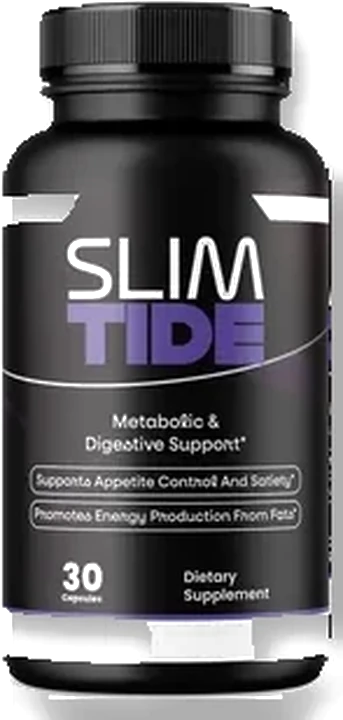
SlimTide is built around the first mechanism above — a stimulant-free, soluble-fibre approach designed to add fullness and slow stomach emptying when taken with water before meals. It is not a stimulant fat-burner and it does not pretend to be a prescription. If steadier appetite around meals is the goal, see exactly what is on the label and what the current offer looks like.
Mechanism three: steadier blood sugar and fewer cravings
The third mechanism is the one people feel most and understand least. A craving — the sudden, specific pull toward something sweet in the mid-afternoon — is often not hunger at all. It is frequently the tail end of a blood-sugar swing. Eat a fast-digesting, refined-carbohydrate meal and glucose rises quickly; the body responds, glucose then falls, and the dip itself registers as an urgent need to eat again, usually for exactly the kind of quick sugar that started the cycle.
Soluble fibre interrupts this loop at the source. Because the fibre gel slows stomach emptying and forms a physical barrier to rapid absorption, the sugars from a meal enter the bloodstream more gradually. A gentler rise means a gentler fall, and a gentler fall means the crash that manufactures the craving is blunted before it starts. This is the mechanism behind the everyday observation that a higher-fibre meal "holds you" longer — it is not willpower, it is a flatter glucose curve.
It matters to be precise about the limit here, because this is where overpromising lives. Fibre reliably softens the physiological cravings that come from glucose swings. It does nothing for the psychological cravings driven by stress, habit, boredom or the simple sight of a snack, because those are not blood-sugar events. A useful appetite suppressant removes one whole category of urge and leaves the other for you to handle. Products that claim to eliminate all cravings are describing a mechanism that does not exist. For a fuller treatment of the everyday side of this, our guide to a natural appetite suppressant that actually works separates the claims that hold up from the ones that do not.
An appetite suppressant does not switch hunger off. It turns down three specific signals — empty-stomach stretch, missing satiety hormones, and blood-sugar crashes — so the hunger you feel is closer to the hunger you actually have.
The three mechanisms at a glance
| Mechanism | What drives it | What you feel | How fast |
|---|---|---|---|
| Fibre gel & gastric stretch | Soluble fibre swelling with water | Fuller sooner, full for longer | Within the meal |
| Satiety hormones | Protein cueing GLP-1 and PYY | Less appetite at the next meal | Hours |
| Steadier blood sugar | Slower absorption, flatter glucose curve | Fewer afternoon craving spikes | Days to weeks of consistency |

How appetite suppressants work best: making the mechanisms fire
Knowing the biology is only useful if you translate it into a routine, and the routine is short. Take the fibre dose with a full glass of water — a real glass, not a sip — about 30 to 40 minutes before the meal where your appetite is hardest to manage, which for most people is either lunch or the evening meal. That lead time lets the gel form before food arrives, so the stretch signal is ready rather than catching up.
Pair it with protein wherever you can. The supplement supports the satiety-hormone mechanism, but protein is what actually provokes the response, so a fibre dose in front of a protein-containing meal gets two mechanisms working at once instead of one. And give the blood-sugar effect time. The within-meal fullness is immediate, but the steadier, fewer-cravings pattern is a cumulative thing that shows up over a week or two of consistent daily use, which is why the products are designed to be taken every day rather than reached for only when hunger strikes.
Two cautions belong in any honest version of this. Hydration is non-negotiable: soluble fibre needs water to gel safely, and taking it with too little liquid is the one way to turn a benign product into a genuine problem. And timing around medicines matters — because fibre slows absorption, it can slow the absorption of some medications and nutrients too, so if you take anything on prescription, separate it from your fibre dose and check the spacing with a pharmacist. The mechanism that makes fibre useful is the same one that makes that spacing sensible.
Common questions
How do appetite suppressants make you less hungry?
Natural appetite suppressants work mainly by making the stomach feel fuller for longer. Soluble fibre absorbs water and forms a gel that adds physical volume and slows how fast the stomach empties, so stretch receptors keep signalling fullness after a meal. Protein triggers the release of satiety hormones such as GLP-1 and PYY, and steadier blood sugar removes the sharp dips that drive snacking. None of this shuts hunger off. It lowers the volume on the signals that push you to eat when you do not need to.
Do appetite suppressants really reduce cravings?
The steadier your blood sugar, the fewer craving spikes you get, and that is the part a fibre-based product influences most reliably. By slowing the absorption of a meal, soluble fibre blunts the rapid rise and subsequent crash that often trigger the mid-afternoon hunt for something sweet. It will not erase a craving driven by stress, habit or boredom, because those are not blood-sugar events. Used honestly, it reduces the physiological cravings and leaves the psychological ones for you to manage.
How fast do appetite suppressants work?
The within-a-meal effect is quick: fibre taken with water 30 to 40 minutes before eating has already begun to swell, so you often notice a smaller appetite at that first meal. The steadier, day-to-day pattern of fewer cravings takes longer to feel, usually a week or two of consistent use as it becomes part of your routine. Anyone expecting a dramatic switch in the first hour is measuring the wrong thing; the value is in the accumulated week, not the single dose.
Can you take appetite suppressants every day?
Fibre-based appetite support is designed for daily use, and consistency is what makes it work, because the benefit is a steadier baseline rather than an acute hit. The two rules that matter are hydration and timing: take it with a full glass of water so the fibre can gel safely, and separate it from medicines and some nutrients, which it can otherwise slow the absorption of. If you take prescription medication, confirm the timing with a pharmacist before making it a daily habit.
Related reading
References and further reading
- National Institute of Diabetes and Digestive and Kidney Diseases — weight management and appetite
- Harvard T.H. Chan School of Public Health — dietary fibre, satiety and blood sugar
- NIH Office of Dietary Supplements — glucomannan and other fibre ingredients, fact sheet
- Mayo Clinic — dietary fibre: types, sources and how to increase intake safely
- PubMed — literature on protein, GLP-1 and PYY satiety responses
General information, not medical advice. These statements have not been evaluated by the Food and Drug Administration, and no dietary supplement is intended to diagnose, treat, cure or prevent any disease. Speak to a qualified healthcare professional before changing what you take, especially if you use prescription medication.
Affiliate link. Slimtiade Label Notes earns a commission on purchases made through it, at no extra cost to you. We are not the manufacturer.