A Gut Health Supplement Kit for Travel: What Is Actually Worth Packing
Quick Answer: What Belongs in a Travel Digestion Kit
A useful travel kit is four items, not twelve: a soluble fibre you already tolerate, a shelf-stable probiotic if you take one at home, an electrolyte sachet, and whatever you personally know works for you. Everything else is weight. The single biggest gain does not come from a supplement at all — it comes from keeping your usual eating window, drinking more water than feels necessary, and not starting anything new mid-trip.
- Shelf-stable only. Anything needing a fridge does not travel well.
- Nothing new on the road. Test at home, at least two weeks out.
- Sachets over tubs. Pre-measured beats scooping in a hotel room.

Why travel disrupts digestion in the first place
It is tempting to blame the food, and sometimes the food deserves it. But most travel-related digestive complaints are driven by things that have nothing to do with what was on the plate. Your meal times shift by hours. You sit still for a long stretch, then walk fifteen thousand steps. Cabin air and airport queues quietly dehydrate you. Sleep gets shorter and lands at the wrong end of the clock. Coffee intake goes up because everything else went down.
Each of those alone is a mild perturbation. Stacked in the same twenty-four hours, they add up to a digestive system running an unfamiliar schedule. The gut has its own daily rhythm, tied fairly tightly to when you eat and when you sleep, and it does not resynchronise instantly just because your watch did. This is why constipation on the outbound leg and looseness on the way home are both extremely common, and why they usually resolve within a few days at either end without anyone doing anything clever.
Understanding that changes what a kit is for. It is not there to fix a broken system. It is there to hold a few variables steady while everything else moves, so you get fewer days of feeling off and a faster return to normal.
The four items that earn a place in a gut health supplement kit
Start from the assumption that everything gets left behind unless it justifies itself. Four things usually do.
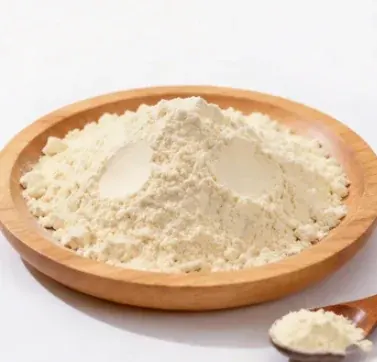
A soluble fibre you already tolerate. This is the workhorse. Psyllium, partially hydrolysed guar gum or a modest inulin dose all hold water and add form, which helps at both ends of the spectrum — it firms up what is too loose and softens what is too slow. The crucial word is already. A fibre you have never taken is a liability on a trip, because the first week on any fermentable fibre tends to involve gas while your bacteria adjust, and a plane is a poor venue for that adjustment.
A shelf-stable probiotic, if you take one at home. Note the condition. If a live-organism product is already part of your routine and you have decided it does something for you, keeping it going through a trip is reasonable. Starting one because you are travelling is a different proposition and the evidence for it is genuinely mixed rather than settled. Whatever you bring must say shelf-stable on the label; a refrigerated product loses viable organisms fast in a warm bag.
Electrolyte sachets. Underrated and cheap. Air travel, heat, alcohol and unfamiliar activity levels all pull fluid, and mild dehydration slows the gut before it does anything else noticeable. A sachet in a bottle of water is more useful on day one than most capsules in the bag.
The thing you personally know works. Everyone has one. Peppermint capsules, a specific tea, a magnesium product, ginger. If you have tested it at home and it reliably helps you, bring it. Personal evidence gathered carefully is worth more here than a category average.
If You Are Building a Daily Base First
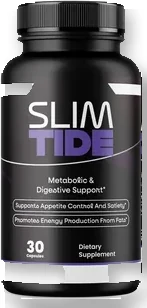
A travel kit works best on top of something steady at home. If you are still comparing the best gut health supplement brands for that daily base, the panel is what separates them — not the packaging. Our line-by-line look at the SlimTide formula covers which fibres and strains are named, at what doses, and what the label leaves out.
What to leave at home
The list of things that do not earn their space is longer, and it is where most kits go wrong.
Digestive enzyme blends marketed for “heavy meals” are the classic example. Unless a clinician has identified a specific reason you need them, the pancreas is generally producing enzymes perfectly well and adding more does not obviously improve on that. Detox teas and cleanse products are worse than useless on a trip — many contain stimulant laxatives such as senna, and an unpredictable bowel is precisely the thing you were trying to avoid on a long coach journey.
Refrigerated probiotics, as covered, should stay in the fridge they live in. Large tubs of anything should stay home too: decant into sachets or a small labelled container rather than carrying a kilogram of powder across a border, which is both heavy and the sort of thing that invites a longer conversation at security.
And leave the brand-new experiment behind. This is the rule people break most and regret most. Two weeks of home testing before departure turns a gamble into a known quantity.
A packing comparison
Formats matter more on the road than they do at home. The same ingredient can be an easy daily habit or a nuisance depending purely on how it is packaged.
| Item | Best travel form | Typical daily amount | Why it earns space |
|---|---|---|---|
| Soluble fibre | Single-serve sachets | About 3–5 g | Adds form in both directions; pre-measured |
| Prebiotic inulin | Sachet or capsule | 1–3 g | Small, light — but only if already tolerated |
| Shelf-stable probiotic | Blister-packed capsules | Per label, CFU-declared | Blisters survive heat and crushing better than bottles |
| Electrolytes | Sachet or tablet tube | 1–2 servings on travel days | Hydration is the highest-yield, lowest-cost item |
| Peppermint oil | Enteric-coated capsule | Per label | Only if it has already worked for you at home |
| Enzyme blend | — | — | Usually unnecessary without a clinical reason |
| Detox or cleanse tea | — | — | Often contains stimulant laxatives; unpredictable |
Three rules that beat anything in the bag
If you only took the behaviour and left the whole kit behind, you would still get most of the benefit.
Hold your eating window. Not the exact clock time — that is impossible across time zones — but the shape. If you normally eat three meals across a ten-hour window, keep three meals across roughly ten hours in the new time zone rather than grazing continuously from the airport onward. Anchoring the first meal in the destination's morning helps the whole system catch up.
Drink more than feels necessary, earlier than feels necessary. Most people correct dehydration a day late, which is a day of sluggishness they did not need.
Move after eating. Ten minutes of walking after the largest meal of the day does more for how you feel than anything you swallow. It is free, it works on the first day, and it is the one recommendation nobody can sell you.
A travel kit is insurance on a routine, not a substitute for one. If the routine at home is chaotic, the kit will not rescue the trip — and no honest label will suggest it does.
What a travel kit cannot do
This needs saying plainly, because the category is marketed carelessly. No supplement in your bag is protection against food-borne or water-borne illness. Food and water precautions — sealed drinks, hot and freshly cooked food, care with ice and raw produce — are what reduce that risk, and where a destination carries real risk you should be getting travel health advice from a clinician or a travel clinic before you go, not from a supplement label. The published evidence on live-organism products in this context is mixed and strain-specific, and it does not add up to a preventive claim.
A kit also cannot compensate for a genuinely broken schedule. Three hours of sleep, alcohol every night and one enormous late meal a day will overwhelm anything a fibre sachet is doing. And it cannot diagnose anything: fever, blood, severe pain or symptoms lasting beyond a few days are reasons to find a doctor wherever you are, not reasons to double a dose.
Finally, be sceptical of anything sold specifically as a travel-branded formula. Repackaging a standard fibre and a standard strain in a smaller sachet with a suitcase on the front is a marketing decision, not a formulation one. When comparing options, look past the packaging to the panel — and note that the weight loss supplement price you see on a small travel pack often reflects the sachet, not the dose inside it.
Building the kit around your actual trip
A weekend and a six-week posting are not the same problem. For two or three nights, skip the kit entirely and take the electrolytes; whatever shifts will shift back before it matters. For a week or two, the four-item kit is about right, packed in a single small pouch that lives in the carry-on rather than the hold, because a bag that goes missing should not also take your routine with it.
For longer stays, think in terms of supply rather than emergency. Count the days, add a week's buffer, and keep everything in original labelled packaging — customs officers in several countries take a closer interest in unlabelled capsules than travellers expect. If you take anything prescription alongside your supplements, keep them physically separate and check with a pharmacist about timing, since bulking fibres can slow the absorption of some medicines when taken at the same moment.
One last piece of sequencing that pays off: if you are also planning to combine several products, work out the interactions before you leave rather than in a hotel room. Our guide to stacking fibre, protein and probiotics without overdoing it covers the order and spacing that keeps a multi-product routine tolerable, which matters more when you are away from your own kitchen and cannot easily adjust.
Common questions
Do probiotics need to be refrigerated when travelling?
It depends on the product. Shelf-stable formulas are dried and packaged to tolerate room temperature, and those are the sensible ones to travel with. Refrigerated products lose viable organisms faster once warm, and a bag left in a hot car or a checked hold can undo a bottle quickly. If the label does not say shelf-stable, assume it is not.
Can I take supplement powders through airport security?
Powders are generally allowed in carry-on luggage, but larger quantities are often pulled aside for extra screening in several countries. Keeping powders in their original labelled container, or in clearly labelled single-serve sachets, makes that conversation short. Check the current rules for the airports you are actually flying through, since they change.
Should I start a new supplement on the day I fly?
No. A trip is the worst possible place to learn how your body reacts to something new, because sleep, food, water and timing have all changed at once and you cannot tell what caused what. Start anything new at home at least two weeks before departure, so travel tests a routine you already know rather than introducing three variables together.
Is a travel kit worth it for a short trip?
For two or three nights, usually not. Most travel-related digestive disruption is driven by schedule, sleep and unfamiliar food, and it resolves on its own within a few days of getting home. A kit earns its space on longer trips, on repeated business travel, or when you already take something daily and simply need it to survive the journey.
References and further reading
- Mayo Clinic — travellers' digestive upset: causes and food and water precautions
- Mayo Clinic — jet lag, circadian disruption and how the body resynchronises
- Harvard T.H. Chan School of Public Health — the microbiome and what shifts it
- NIH Office of Dietary Supplements — ingredient fact sheets and dosing background
- PubMed — the published literature on probiotics, travel and gut microbiota
General information, not medical advice. These statements have not been evaluated by the Food and Drug Administration, and no dietary supplement is intended to diagnose, treat, cure or prevent any disease. Speak to a qualified healthcare professional before changing what you take.
Affiliate link. Slimtiade Label Notes earns a commission on purchases made through it, at no extra cost to you. We are not the manufacturer.